
Feed the Hungry, Inc. launched the Livelihood Program in 1996. Since then, the Program has regularly provided funds for so-called “cottage industries,” which are small-scale businesses run out of people’s homes or communities. These FtH-sponsored ventures provide a wide variety of products and services, including sewing, fishing, raising and selling hogs, and making household items like brooms, doormats, potholders, and more. The Livelihood Program targets areas hard hit by calamities or located in areas that need economic activity to stimulate the local community. Some past program participants lived in the provinces of Cavite, Quezon, Cagayan, lsabela, Aurora, Marinduque, Cebu, Bohol, Negros Occidental, Leyte, Aklan, Romblon, South Cotabato, Maguindanao, and Davao Region including Compostela Valley.
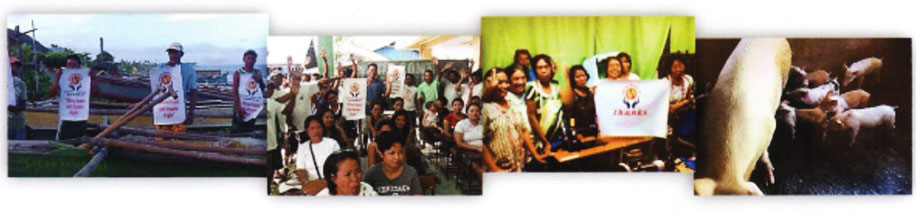
Feed the Hungry’s Livelihood Program is built on the belief that a modest investment can create lasting change. Beneficiaries are not expected to repay the assistance they receive; rather, the program’s goal is to provide individuals and communities with the opportunity and resources needed to become self-reliant and economically independent.
Most, if not all, participants can use their initial grant to establish sustainable sources of income and achieve financial stability. In this way, the Livelihood Program empowers beneficiaries to build brighter futures for themselves and their families while fostering long-term community development.
Right after Super Typhoon Haiyan hit the Philippines in November 2013, FtH held a face-to-face meeting in hard-hit Tacloban with seamstresses and tailors to help them get back on their feet through a livelihood project. FtH purchased eight sewing machines and the necessary materials to get folks started with a cooperative. They began producing and selling garments and uniforms for school children and nurses. They were able to reinvest enough of their revenue into new supplies and continue the cycle.
While FtH is proud of its success stories. There have been rare exceptions in which even doing due diligence and vetting beneficiaries has not worked. “Even with a few disappointing outcomes, FtH has continued to support these family-based cottage industry ventures. It has responded by becoming more careful, and we work to ensure that we provide a more rigorous education to project participants as part of the vetting process,” exclaims Pablito Alarcon. who earlier served as FtH Livelihood Program Director.
“Additionally, we asked our NGO partner to more strictly monitor beneficiaries and impress upon them the importance of maintaining the cycle to uplift their economic conditions. Feed the Hungry Livelihood
Programs will continue helping the marginalized in our society and slowly lift them up through funding of small-scale home-based cottage industries,” adds Dennis Ocampo, current FtH Livelihood Program Director.
As FtH celebrates its Silver Anniversary, the Livelihood Program has been one that it focuses on, reflecting on its accomplishments since it was started in 1996 and planning to continue its work in the years to come.
 feedthehungryphils.org